Thirty One: A Bold and Stylish Display Typeface
Thirty One is a distinctive display typeface designed to add visual flair and personality to logotypes, branding, and other design projects. With its unique character and modern aesthetic, it offers a fresh alternative for designers looking to create eye-catching visuals. This font is particularly well-suited for applications where a strong, expressive style is desired.
Understanding Thirty One
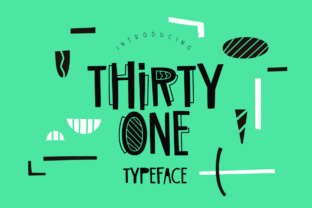
Thirty One is a display typeface that combines boldness with a sense of playfulness. Its design features sharp angles, subtle curves, and a dynamic structure that makes it stand out in any composition. The font is crafted with attention to detail, ensuring that each letterform maintains clarity while contributing to an overall sense of energy and movement.
Designed primarily for use in logotypes and display settings, Thirty One is not intended for body text or long passages of copy. Instead, it excels in situations where visual impact is key, such as headlines, posters, and branding materials. Its versatility allows it to be used across various design disciplines, including print and digital media.
Why Consider Thirty One?
Designers may find Thirty One appealing for several reasons. Its bold and distinctive look can help differentiate a brand or project from others, making it ideal for businesses or creative endeavors that want to make a strong visual statement. The font's playful yet professional appearance can also add a modern edge to designs that require a contemporary feel.
For those working on projects that demand a hip and trendy aesthetic, Thirty One offers a compelling option. It can bring a sense of fun and creativity to a design without sacrificing professionalism. This makes it a good choice for industries such as fashion, entertainment, and lifestyle branding.
Benefits of Using Thirty One
- Visual Impact: Thirty One’s bold and stylized design ensures that it commands attention, making it ideal for headlines and logos.
- Modern Aesthetic: The font’s clean lines and dynamic structure contribute to a contemporary look that aligns with current design trends.
- Versatility: While primarily a display typeface, Thirty One can be adapted for different design contexts, offering flexibility in application.
Tradeoffs and Considerations
Despite its strengths, Thirty One may not be the best choice for every project. Its bold and stylized nature means it is less suitable for body text or extended reading. Designers should consider the context in which the font will be used and ensure that it complements the overall design rather than overwhelming it.
Additionally, because of its distinctiveness, Thirty One may not blend seamlessly with more traditional or minimalist typefaces. It is important to test the font in different design scenarios to determine if it aligns with the intended message and visual identity.
Situations Where Thirty One Shines
Thirty One is particularly effective in situations where a strong visual identity is needed. For example, it can be an excellent choice for branding projects that aim to convey energy, creativity, or innovation. Its bold style can help reinforce a brand’s personality and make it more memorable to audiences.
In print design, Thirty One can add a striking element to posters, flyers, and packaging. Its high contrast and dynamic shapes make it ideal for creating eye-catching visuals that stand out in a crowded space. When used appropriately, it can elevate the overall aesthetic of a design and contribute to a cohesive visual theme.
When Alternatives Might Be Better
While Thirty One has many advantages, there are situations where other fonts may be more appropriate. For instance, if a design requires a more neutral or classic look, a serif or sans-serif typeface might be a better fit. Similarly, if the goal is to maintain readability over long passages of text, a more conventional font would be preferable.
Designers should also consider the target audience when selecting a font. In some cases, a more traditional or understated typeface may resonate more effectively with the intended viewers. It is important to evaluate the font’s suitability based on the specific needs of the project and the preferences of the audience.
Decision-Making Insights
When deciding whether to use Thirty One, it is helpful to ask a few key questions. Does the font align with the visual identity and tone of the project? Will it enhance the design or distract from it? Is it appropriate for the medium in which it will be used?
Testing the font in different contexts can provide valuable insights into its effectiveness. Designers should experiment with variations in size, spacing, and color to see how the font performs in various scenarios. This process can help identify potential issues and ensure that the final design meets the desired goals.
Ultimately, the decision to use Thirty One should be based on a clear understanding of its strengths and limitations. By carefully evaluating its suitability for a given project, designers can make informed choices that support their creative vision and objectives.