Laxero: A Bold and Masculine Script Typeface for Designers
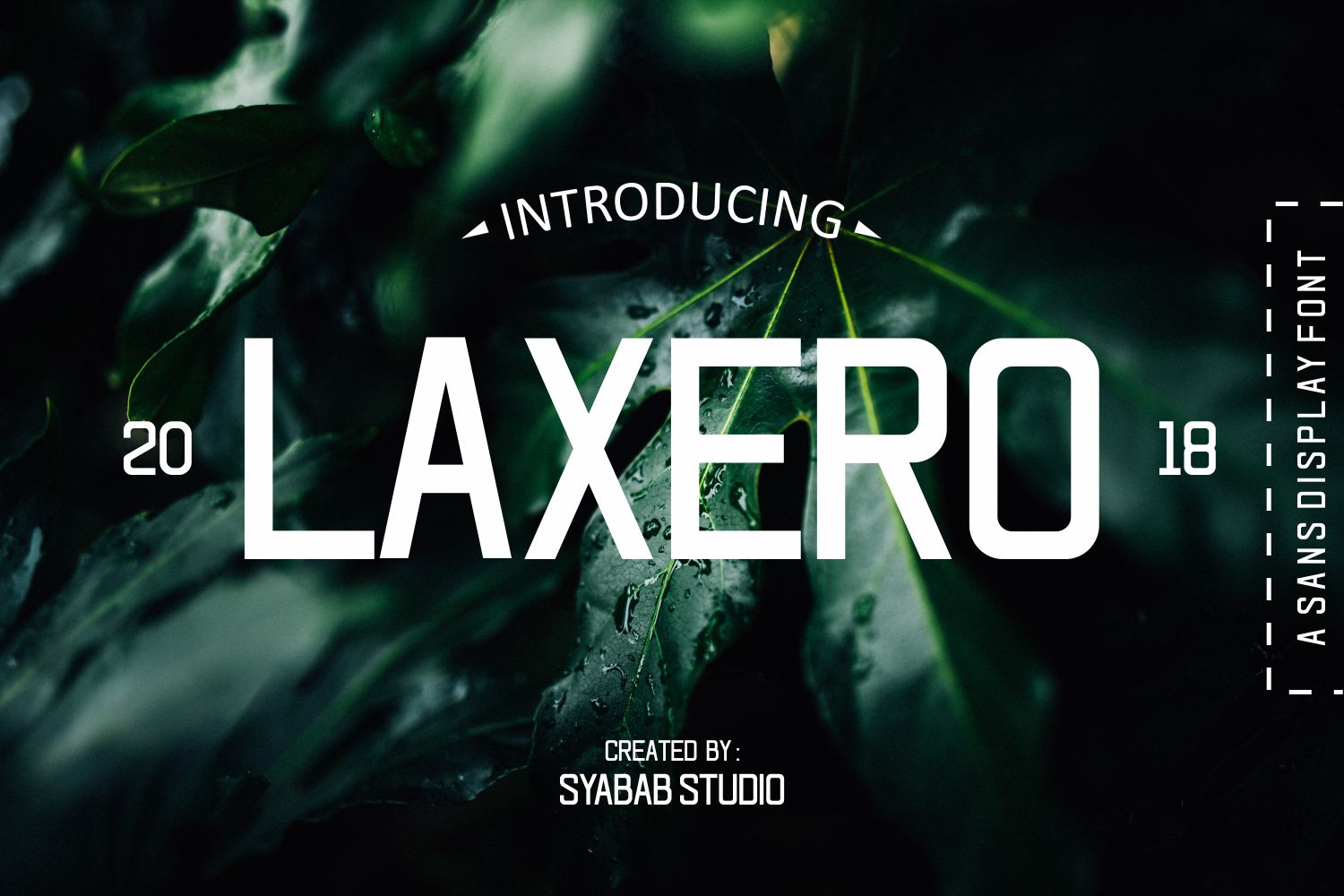
Laxero is a distinctive script typeface that stands out for its bold, masculine aesthetic. Designed with a strong visual presence, it is particularly well-suited for display purposes where legibility and impact are key. This font offers a unique blend of elegance and strength, making it a compelling choice for designers working on projects that require a striking typographic element.
What Is Laxero?
Laxero is a dashing script typeface that combines the fluidity of handwriting with the precision of digital typography. Its design features sharp curves, strong strokes, and a confident overall look. The font is ideal for use in headlines, logos, branding materials, and other applications where a bold and memorable visual identity is needed. While it is not intended for body text due to its stylistic nature, Laxero excels when used as a focal point in design compositions.
Why Someone Might Be Interested in Laxero
Designers and creatives who are looking for a typeface that commands attention may find Laxero appealing. Its masculine and confident appearance can convey strength, sophistication, or authority, depending on the context. For those working on projects that require a strong visual statement—such as luxury branding, sports-related designs, or high-energy marketing campaigns—Laxero can be an effective tool.
The font’s stylized form also makes it a good option for projects that aim to evoke a sense of craftsmanship or artistry. Its handcrafted feel can add a touch of authenticity to a design, especially when paired with other elements that emphasize creativity and individuality.
Benefits of Using Laxero
One of the primary benefits of Laxero is its ability to draw attention without needing additional design elements. Its bold strokes and dynamic shape make it highly readable at larger sizes, which is essential for display fonts. This makes it a practical choice for titles, banners, and other prominent typographic elements.
Another advantage is its versatility in different design contexts. While it is primarily a display font, Laxero can be adapted for various uses, including signage, packaging, and editorial layouts. Its clean structure allows it to work well alongside more traditional typefaces, creating a balanced and cohesive visual hierarchy.
Considerations and Tradeoffs
Despite its strengths, Laxero is not a one-size-fits-all solution. Its stylized nature means it may not be suitable for all design projects. For instance, in situations where clarity and neutrality are priorities—such as in user interfaces, technical documents, or long-form reading—Laxero may not be the best choice. Its decorative elements could interfere with readability or distract from the content.
Additionally, because it is a script font, Laxero may have limited character sets compared to more standard typefaces. This can affect its usability in multilingual projects or when specific symbols or punctuation are required. Users should check the font’s available glyphs before committing to its use.
Situations Where Laxero May Be a Strong Fit
Laxero is particularly well-suited for projects that benefit from a strong, confident visual style. It works well in branding initiatives that aim to project power, innovation, or exclusivity. For example, a luxury car brand might use Laxero in its logo or advertising to reinforce a sense of prestige and strength.
It is also a good fit for creative industries such as fashion, entertainment, and media. In these fields, a bold and expressive typeface can help differentiate a brand or product from competitors. Laxero’s dashing appearance can complement other design elements like illustrations, photographs, or color schemes to create a cohesive and impactful look.
Situations Where Alternatives May Be Worth Considering
In cases where simplicity and clarity are more important than style, alternatives to Laxero may be more appropriate. For example, sans-serif fonts like Helvetica or Arial are often preferred for their clean lines and universal readability. These fonts are better suited for body text, user interfaces, and other applications where legibility is critical.
For projects that require a more refined or elegant look, serif fonts such as Georgia or Times New Roman may offer a more traditional and sophisticated alternative. These fonts can provide a sense of timelessness and professionalism that may be more suitable for certain design contexts.
Practical Decision-Making Insights
When evaluating whether Laxero is the right choice for a project, consider the following factors: the purpose of the design, the target audience, and the overall visual style. If the goal is to create a strong, memorable impression, Laxero can be an excellent option. However, if the focus is on functionality or broad accessibility, other typefaces may be more effective.
It is also advisable to test Laxero in different sizes and contexts to see how it performs. Experimenting with different pairings and layouts can help determine whether it aligns with the desired outcome. Additionally, checking the font’s licensing terms and availability is essential to ensure it meets the project’s requirements.
Ultimately, the decision to use Laxero should be based on how well it supports the design’s goals and communicates the intended message. By carefully considering its strengths and limitations, designers can make informed choices that enhance the effectiveness of their work.