Pabicop: A Modern, Clean Display Font for Stylish Design
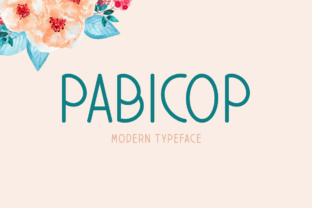
Pabicop is a sans serif display font that stands out for its clarity, elegance, and versatility. Designed with a focus on modern aesthetics, it offers a crisp and clean look that can elevate a wide range of design projects. Whether used in headlines, logos, or decorative elements, Pabicop provides a sophisticated visual presence without sacrificing readability.
One of the key features of Pabicop is its balance between simplicity and character. Unlike some fonts that lean too heavily into minimalism or ornamentation, Pabicop finds a middle ground that works well in both digital and print environments. Its consistent stroke widths and geometric structure make it ideal for designs that require a professional yet approachable feel.
What Makes Pabicop Unique?
Pabicop distinguishes itself through its clean lines and subtle detailing. The font maintains a high level of legibility even at smaller sizes, which is crucial for effective communication. Its open counters and well-proportioned letters ensure that it remains readable across different mediums and formats.
Compared to other sans serif fonts, Pabicop offers a more refined appearance. While fonts like Helvetica or Arial are widely used for their neutrality, Pabicop introduces a touch of personality without being overly distinctive. This makes it a good choice for designers who want a modern look but aren’t looking for something too bold or unconventional.
When Pabicop Is a Good Fit
Pabicop excels in situations where a clean, professional aesthetic is needed. It is particularly effective for headlines, titles, and branding materials that require a polished look. Its versatility allows it to work well in both digital interfaces and printed media, making it a reliable option for a variety of design needs.
For example, a website aiming for a minimalist layout could benefit from using Pabicop in its headings. Similarly, a business card or brochure that emphasizes clarity and professionalism might find Pabicop to be an excellent choice. Its neutral yet stylish appearance ensures that it doesn’t overpower the content it accompanies.
Comparing Pabicop to Similar Fonts
When evaluating display fonts, it’s helpful to consider how Pabicop stacks up against other popular options. Fonts like Montserrat, Roboto, or Open Sans are often used for similar purposes, but each has its own strengths and limitations. Montserrat, for instance, offers a more structured and geometric look, while Roboto is known for its friendly and approachable tone.
In comparison, Pabicop sits somewhere between these two extremes. It lacks the rigid geometry of Montserrat but avoids the softness of Roboto. This makes it a good middle-ground option for designers who want a font that is neither too formal nor too casual. However, it may not be the best fit for projects that require a more distinct or expressive typeface.
Strengths and Limitations of Pabicop
One of the main strengths of Pabicop is its adaptability. It performs well in a range of contexts, from editorial layouts to user interface design. Its balanced proportions and clean design make it easy to pair with other fonts, allowing for greater flexibility in typography choices.
However, Pabicop may not be the best choice for all projects. Its understated nature means it may not stand out as much as more distinctive fonts. For designs that require a strong visual impact, a bolder or more decorative typeface might be more appropriate. Additionally, while Pabicop is highly readable, it may not offer the same level of expressiveness as fonts designed for artistic or experimental use.
Best Use Cases for Pabicop
Pabicop is particularly well-suited for projects that prioritize clarity and sophistication. It works well in corporate branding, where a professional and trustworthy image is essential. In this context, its clean lines and neutral appearance help convey reliability and consistency.
It also performs well in editorial design, such as magazines, newsletters, or websites that rely on clear and structured typography. Its ability to maintain readability at different sizes makes it a practical choice for long-form content. Additionally, Pabicop can be used effectively in presentations or slides that require a polished and modern look.
When to Consider Alternatives
While Pabicop is a solid choice for many design projects, there are scenarios where other fonts might be more suitable. For instance, if a project requires a more dramatic or eye-catching headline, a font with more contrast or unique shapes might be a better fit. Similarly, if the goal is to create a more emotional or artistic tone, a script or decorative font could provide the desired effect.
Designers should also consider the target audience when choosing a font. In some cases, a more traditional or classic typeface may resonate better with a specific demographic. For example, a luxury brand might prefer a serif font to evoke a sense of heritage and elegance, whereas a tech startup might opt for a more modern sans serif like Pabicop.
Practical Tips for Using Pabicop
When incorporating Pabicop into a design, it’s important to consider how it interacts with other elements. Pairing it with a complementary font can help create visual interest while maintaining harmony. For example, using a serif font for body text alongside Pabicop for headings can add depth and contrast to the overall layout.
Additionally, adjusting the spacing and sizing of Pabicop can enhance its effectiveness. Ensuring proper line height and letter spacing helps maintain readability, especially in longer blocks of text. Testing the font in different contexts—such as on screens, printed materials, or mobile devices—can also reveal any potential issues and allow for necessary adjustments.
Conclusion: Is Pabicop Right for Your Project?
Pabicop is a versatile and well-crafted display font that offers a modern, clean aesthetic. Its balanced design and adaptability make it a reliable choice for a wide range of applications, from corporate branding to editorial layouts. However, its understated nature means it may not be the best fit for every project.
Designers should evaluate their specific needs and goals before deciding on a font. If a project requires a polished, professional look without excessive ornamentation, Pabicop is an excellent option. For more expressive or dramatic designs, alternative fonts may provide a better fit. Ultimately, the right choice depends on the context, audience, and visual intent of the design.