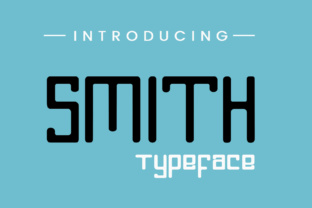
Smith: A Display Font That Brings Personality to Modern Design
Typography is often the first thing a viewer notices, even if they do not consciously register it. The right typeface can set a mood, establish credibility, or inject a sense of fun into a project. Among the growing library of display fonts available to designers and creators, Smith and Smith has emerged as a standout option for those who want their work to feel lively without sacrificing legibility. This font is designed to be playful yet purposeful, making it a strong candidate for everything from branding to event materials. Understanding what makes Smith different—and why it resonates with modern audiences—can help you decide when and how to use it effectively in your own projects.
Why Smith Stands Out Among Display Fonts
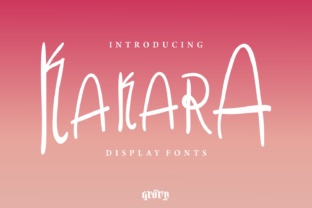
Not all display fonts are created equal. Many lean heavily into decorative flourishes that look impressive in isolation but become difficult to read in context. Smith strikes a different balance. Its letterforms are bold and expressive, but they remain clear enough to be processed quickly. This is especially important for logotypes and headlines, where the typeface must communicate a brand's identity while still being immediately recognizable. Smith achieves this by combining exaggerated curves with sturdy proportions, giving it a sense of motion that feels contemporary without being gimmicky.
The font works particularly well in large formats. When scaled up, the details in each character become more pronounced, revealing subtle quirks that make the typeface feel handcrafted. This is not a font that fades into the background. It demands attention, but it does so in a way that feels inviting rather than aggressive. For designers who want to convey warmth, creativity, or approachability, Smith offers a tool that is both versatile and distinctive.
How Display Fonts Like Smith Fit Into Modern Visual Communication
Visual communication has shifted significantly over the past decade. Audiences are bombarded with content across screens, billboards, packaging, and social media. In such a crowded landscape, standing out requires more than just a clever message—it requires a visual identity that captures attention within seconds. Display fonts play a critical role here. They are the typefaces designed to be seen first and read later, carrying much of the emotional weight of a design.
Smith fits into this trend naturally. Its playful character aligns with a broader move toward authenticity in branding. Many businesses are moving away from sterile, corporate aesthetics and embracing designs that feel human and approachable. A font like Smith can signal that a brand does not take itself too seriously, while still maintaining professionalism. It is equally at home on a poster for a local music festival as it is on the homepage of a creative agency. This flexibility is rare among display fonts, many of which are too niche to use across different contexts.
The Evolution of Typography and the Return of Playful Fonts
Typography has a long history of alternating between strict formalism and playful experimentation. In the early days of print, typefaces were largely utilitarian, designed to maximize readability in books and newspapers. The advent of digital design opened the door for more expressive fonts, but for a time, the industry swung back toward minimalism. Sans-serif fonts like Helvetica and Arial dominated for years, prized for their neutrality and clean lines.
Recently, however, there has been a noticeable resurgence of interest in typefaces that have personality. Designers and brands are rediscovering the value of fonts that evoke a specific mood or era. Smith taps into this renewed appreciation for playful typography. Its rounded edges and uneven strokes recall the hand-rendered lettering of mid-century signage, but with a modern polish that keeps it from feeling retro. This blend of old and new makes Smith relevant for projects that want to reference the past without looking dated.
Part of this shift can be attributed to changing audience expectations. Consumers, especially younger demographics, are drawn to brands that feel genuine and distinctive. A generic font can make a business seem interchangeable with its competitors. By choosing something less conventional, like Smith, a brand can communicate that it values creativity and attention to detail. This does not mean every project needs a playful font, but for those that do, Smith provides a reliable option that is both fun and functional.
Practical Applications for Smith in Real Projects
One of the strongest arguments for using Smith is its versatility across different project types. It was originally conceived as a display font, meaning it is best suited for headlines, titles, and short blocks of text where impact matters more than extended readability. Within that scope, Smith can be applied to a wide range of materials.
For branding and logotype work, Smith is especially effective. A logotype built with this font instantly feels energetic and approachable. Small businesses, creative studios, and lifestyle brands can use it to establish a visual identity that stands out on business cards, websites, and product packaging. The font's bold weight ensures that the brand name remains legible even when scaled down, which is a common challenge with more ornate display fonts.
Event materials are another natural fit. Whether you are designing posters for a film festival, flyers for a community workshop, or banners for a trade show, Smith brings a sense of excitement to the layout. Its playful shapes encourage viewers to stop and look closer, which is exactly what event promotions need to do. The font also pairs well with simpler sans-serif typefaces for body copy, allowing you to create contrast without clashing.
Social media graphics benefit from Smith as well. In an environment where users scroll quickly, a strong headline can be the difference between a post that is ignored and one that gets shared. Smith's bold, friendly appearance works well on Instagram stories, YouTube thumbnails, and LinkedIn banners. It helps content feel less corporate and more personal, which aligns with how many creators and businesses are trying to connect with their audiences today.
What Makes Smith Effective for Logotypes
Creating a memorable logotype is about more than choosing a pretty font. The typeface must reflect the brand's values, scale well across different mediums, and remain distinctive over time. Smith checks these boxes for several reasons. Its rounded forms feel welcoming, while its structural stability ensures that it does not lose shape when used in small sizes or on digital screens. This makes it a practical choice for startups and established businesses alike that want to project a friendly, confident image.
The font also works well with custom modifications. Many designers find that Smith's base shapes are strong enough to support small tweaks without falling apart visually. You might extend a descender, adjust the kerning, or pair it with a custom icon without losing the overall character of the typeface. This adaptability is valuable for brands that want a unique logotype without commissioning a fully custom typeface, which can be costly and time-consuming.
Tips for Using Smith in Large-Format Design
Smith truly shines when used at larger sizes. On billboards, trade show displays, or wall murals, the font's details become part of the visual experience. Designers working with large formats should consider how the typeface interacts with the surrounding environment. Because Smith has a playful quality, it often benefits from generous spacing around the letters. Crowding the font with other elements can overwhelm the layout and reduce readability from a distance.
Color choice also matters when using Smith at scale. Bright, saturated colors tend to amplify the font's energetic feel, while muted tones can soften it for more refined applications. Testing the font in black and white first can help you evaluate its structure before committing to a color palette. This is especially important for logotypes that need to work in monochrome contexts, such as embossed packaging or single-color signage.
Choosing the Right Context for Smith
As versatile as Smith is, it is not a font that fits every project. Its playful nature means it is best reserved for contexts where enthusiasm, creativity, or approachability are desirable. Corporate legal documents, academic journals, or serious news publications would likely be better served by a more neutral typeface. The key is matching the font's personality to the tone of the message.
For bloggers, freelancers, and small business owners who manage their own design, Smith can be a valuable addition to a limited font library. It offers the kind of distinctive character that would otherwise require hiring a professional designer to create custom lettering. By learning to use Smith effectively, non-designers can elevate their materials without needing deep typographic expertise.
How Creators and Businesses Are Embracing Playful Typography
The trend toward playful typography is not just about aesthetics; it reflects a broader change in how brands communicate. Audiences are tired of overly polished, impersonal messaging. They want to feel a connection with the brands they support, and design plays a major role in creating that connection. Fonts like Smith help bridge the gap between professionalism and personality. They allow businesses to show their human side while still appearing competent and trustworthy.
Educators and content creators are also adopting playful fonts to make their materials more engaging. A lesson plan, ebook cover, or video title that uses Smith can capture attention more effectively than one that relies on a standard system font. In a world where attention is scarce, small design choices like font selection can have a meaningful impact on how content is received.
As more industries recognize the importance of visual identity, the demand for quality display fonts will continue to grow. Smith is well positioned to meet that demand because it balances fun with function. It does not ask viewers to choose between readability and personality—it delivers both. For anyone looking to refresh their design toolkit, Smith offers a reliable, expressive option that works across a wide range of project types.
Whether you are designing a new brand identity, promoting an upcoming event, or simply experimenting with typography for a personal project, Smith gives you the flexibility to be creative while maintaining clarity. It is a font that invites play without sacrificing purpose, and that combination is exactly what modern visual communication needs.