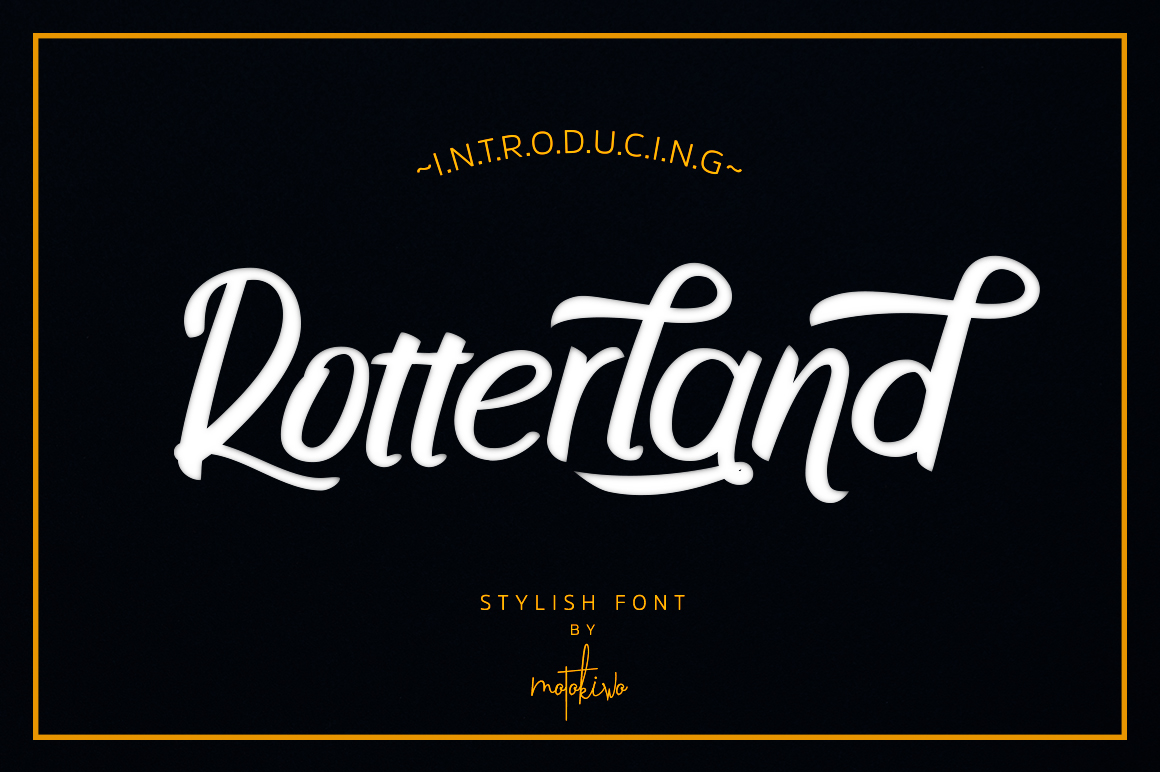
Rotterland: A Stylish Brush Lettered Font for Urban Design
Rotterland is a hand-made paint brush font that brings a painterly aesthetic to digital design. With its urban and metropolitan style, it’s ideal for projects that require a bold, expressive look. Whether you're working on branding, editorial design, or digital art, Rotterland offers a unique visual identity that stands out.
This font is more than just a typeface—it’s a tool that can enhance your creative workflow. Its organic texture and dynamic strokes make it versatile across different design styles, from modern minimalism to vibrant street art. Understanding how to integrate Rotterland into your process can help you achieve consistent, high-quality results.
Understanding Rotterland in the Design Process
Rotterland fits naturally into various stages of a design project. Before starting, it can inspire your concept by providing a visual direction. During execution, it adds character to your layouts. After completion, it can reinforce your brand’s personality through consistent typography.
For example, when developing a new brand identity, Rotterland can serve as a foundation for your logo and supporting graphics. Its brush-like quality gives a sense of movement and energy, which can be particularly effective for creative businesses or startups looking to stand out in a competitive market.
How Rotterland Enhances Different Workflows
Rotterland works well with other design tools and resources. When paired with graphic design software like Adobe Illustrator or Photoshop, it can add depth and texture to your compositions. It also integrates smoothly with layout tools such as InDesign or Figma, allowing for seamless typography placement.
When working on a marketing campaign, Rotterland can be used to create eye-catching headlines or social media posts. Its versatility means it can adapt to both digital and print formats without losing its visual impact. This makes it a valuable asset for designers, marketers, and content creators who need a font that performs across multiple platforms.
In a collaborative environment, Rotterland can help maintain visual consistency. By using the same font across different assets—such as websites, brochures, and presentations—you ensure a cohesive brand experience. This is especially important for businesses that rely on strong visual identities to build trust and recognition.
Practical Implementation Tips for Rotterland
To get the most out of Rotterland, consider the following tips:
- Choose the right size: Larger sizes emphasize the brush strokes, while smaller sizes may lose some detail. Adjust based on your project’s needs.
- Pair with complementary fonts: Rotterland works best with clean, neutral fonts that balance its artistic flair. Avoid overly decorative typefaces that might clash.
- Test in different contexts: View the font on screens, printed materials, and various backgrounds to ensure it remains legible and visually appealing.
- Use layer styles: In design software, apply subtle effects like drop shadows or gradients to enhance the brush-like appearance without overwhelming the design.
By following these guidelines, you can maximize the effectiveness of Rotterland in your work. It’s not just about choosing a font—it’s about understanding how it interacts with your overall design strategy.
Rotterland in Real-World Projects
Consider a scenario where a small business owner is launching a new line of products. They need a logo and packaging that reflects their brand’s personality. By using Rotterland, they can create a logo that feels authentic and expressive. The font’s urban style aligns with modern aesthetics, making it suitable for fashion, tech, or lifestyle brands.
Another example is a freelance designer working on a client’s website. They might use Rotterland for headings to add a touch of creativity without compromising readability. The font’s natural flow complements contemporary web design trends, offering a fresh alternative to standard sans-serif fonts.
For educators or content creators, Rotterland can be used in presentations or educational materials. Its bold, hand-crafted look can engage audiences and make information more memorable. Whether in a classroom or an online course, it adds a personal, artistic touch to visual content.
Long-Term Use and Maintenance
When using Rotterland over time, it’s important to maintain consistency. Keep a record of how the font is applied across different projects to ensure a unified visual language. This is especially relevant for businesses that need to maintain brand integrity across multiple channels.
Regularly review your design assets to ensure that Rotterland remains appropriate for your evolving needs. As trends shift, you may find new ways to incorporate the font or decide to pair it with other typefaces that better suit your current goals.
Additionally, consider the technical aspects of long-term use. Make sure the font file is properly backed up and compatible with the software you use. If you’re working with a team, share the font file and any specific guidelines to maintain uniformity in design outputs.
Conclusion: Integrating Rotterland Into Your Creative Routine
Rotterland is more than just a stylish font—it’s a powerful tool that can elevate your design work. By understanding its strengths and integrating it thoughtfully into your workflow, you can create visually compelling projects that resonate with your audience.
Whether you're designing for a business, a personal project, or a creative endeavor, Rotterland offers a unique way to express your vision. Its blend of artistry and practicality makes it a valuable addition to any designer’s toolkit. With the right approach, it can become an essential part of your creative process, helping you achieve consistent, high-quality results.