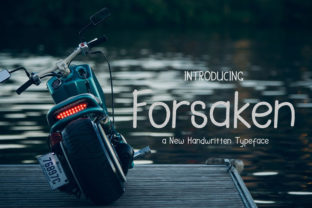
Forsaken: A Handwritten Typeface for Every Workflow
Forsaken is a simple, sans serif handwritten typeface that blends elegance with practicality. Its clean lines and minimalistic design make it adaptable across a wide range of creative projects. Whether you're working on a casual branding initiative or a more serious design task, Forsaken offers a versatile foundation that can enhance your visual output without overwhelming the overall composition.
Understanding where Forsaken fits in your workflow is key to leveraging its full potential. This font isn’t just about aesthetics—it’s about how it integrates into the broader process of planning, executing, and refining your work. From initial concept to final delivery, Forsaken can play a role in shaping the tone and readability of your designs.
Using Forsaken in Different Stages of a Project
Before starting a project, choosing the right typeface can set the tone for the entire creative direction. Forsaken’s friendly yet professional look makes it an excellent choice for early-stage brainstorming or client presentations. It conveys approachability while maintaining a level of sophistication that works well in both digital and print formats.
During the execution phase, Forsaken can be used in multiple ways. For example, in web design, it can serve as a primary heading font that adds a personal touch to a site’s layout. In print materials, it can be paired with more structured fonts to create contrast and visual interest. The font’s simplicity ensures it remains legible at various sizes, making it suitable for everything from large banners to small labels.
After a project is completed, Forsaken can still contribute to the overall quality of your work. When updating existing designs or creating follow-up materials, using a consistent typeface like Forsaken helps maintain brand coherence. It also allows for easy adjustments without requiring a complete redesign of the visual identity.
Integrating Forsaken with Other Tools and Resources
Forsaken works well alongside other design tools and platforms. In graphic design software like Adobe Illustrator or Canva, it can be used to add a humanized feel to otherwise rigid layouts. When combined with vector graphics or photo overlays, it enhances the visual narrative without competing with the main elements.
In content creation workflows, Forsaken can be used in social media posts, email newsletters, or blog headers. Its handwritten style gives a sense of authenticity that resonates with audiences looking for genuine, personalized communication. This makes it ideal for bloggers, educators, and marketers who want to build a stronger connection with their readers or clients.
When working with teams or collaborating on design projects, consistency is crucial. By incorporating Forsaken into shared design systems or style guides, you ensure that all team members are aligned in their use of typography. This reduces confusion and streamlines the production process, especially when multiple people are involved in different stages of a project.
Practical Implementation Tips
To get the most out of Forsaken, consider the following tips:
- Pair it wisely: Combine Forsaken with more structured fonts to create contrast and balance. For example, pair it with a serif font for body text to add depth and readability.
- Use it selectively: While Forsaken is versatile, it may not be the best choice for every element in a design. Use it for headings, captions, or highlights rather than for long blocks of text.
- Test it across mediums: Ensure that Forsaken looks good on both screen and print. Test different sizes and resolutions to confirm its legibility and aesthetic appeal.
- Stay consistent: Once you decide to use Forsaken in a project, maintain its usage throughout to avoid visual clutter and confusion.
For users working on mobile devices or tablets, consider how Forsaken renders on smaller screens. While it generally holds up well, adjusting line spacing or font size may be necessary for optimal readability.
Workflow Examples and Use Cases
Imagine you’re a small business owner launching a new product line. During the planning stage, you might use Forsaken for mockup designs or social media teasers to give your audience a preview of the brand’s personality. As you move into production, you could incorporate it into packaging labels or promotional materials to maintain a cohesive look.
If you’re a freelancer or designer, Forsaken can be part of your go-to font library. Use it for client proposals, portfolio websites, or even personal branding materials. Its adaptability means it can be used in both formal and informal contexts without losing its effectiveness.
For educators or content creators, Forsaken can be used in course materials, presentation slides, or instructional videos. Its handwritten style adds a personal touch that can make learning experiences more engaging and relatable.
Long-Term Use and Maintenance
Over time, the effectiveness of any font depends on how well it aligns with your evolving needs. Forsaken’s simplicity ensures that it remains relevant across different trends and design movements. However, it’s important to periodically review how it performs in new contexts or with emerging technologies.
Maintaining a library of fonts, including Forsaken, can help streamline your workflow. Organize your fonts by category or project, and keep track of which ones are used most frequently. This not only improves efficiency but also ensures that you have quick access to the right tools when needed.
When updating or rebranding, consider whether Forsaken still serves your goals. If your brand’s identity shifts, you may need to adjust your typography choices accordingly. But if Forsaken continues to meet your needs, it can remain a valuable asset in your design toolkit.
Conclusion
Forsaken is more than just a typeface—it’s a tool that can enhance your workflow, improve your design outcomes, and support your creative process. Whether you’re working on a small project or a large-scale initiative, its versatility and simplicity make it a reliable choice. By integrating it thoughtfully into your design practices, you can achieve greater consistency, clarity, and impact in your work.