Sushi Roll: A Cute, Squashy Font for Japanese Themes
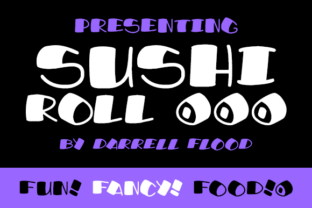
If you're looking for a font that adds a playful and eye-catching touch to your designs, Sushi Roll might be just what you need. This display font, created by Darrell Flood, is designed to look like a real sushi roll—squashy, cute, and full of character. It’s perfect for projects with a Japanese theme or for anyone wanting to add a fun, visual twist to their work.
Unlike traditional fonts that are clean and structured, Sushi Roll breaks the mold with its unique shape and style. The font mimics the soft, rounded edges of a sushi roll, making it ideal for menus, logos, and branding that wants to stand out. Its design isn’t just about aesthetics—it also helps convey a sense of warmth and approachability, which can be especially valuable in food-related businesses or creative projects.
What Makes Sushi Roll Unique?
Sushi Roll isn’t just another display font; it’s a visual statement. The font’s name says it all—it’s meant to look like a sushi roll, which gives it an instantly recognizable and memorable quality. Each letter is crafted to have a slightly squishy appearance, making it feel more like a hand-drawn element than a standard typeface.
This style works well in contexts where creativity and personality are key. Whether you’re designing a menu for a sushi restaurant, creating packaging for a food product, or working on a themed website, Sushi Roll can help you express your brand in a fresh and engaging way. Its playful nature makes it particularly appealing for younger audiences or businesses aiming for a casual, friendly vibe.
Who Can Benefit from Using Sushi Roll?
Sushi Roll is versatile enough to appeal to a wide range of users. From small business owners to designers and marketers, anyone looking to add a unique visual element to their work may find value in this font. For example, a local café or restaurant could use Sushi Roll to create eye-catching signage or promotional materials that reflect their brand’s personality.
It’s also great for personal projects. If you’re a blogger or content creator, using Sushi Roll in your headers or social media posts can make your content more visually interesting. Similarly, educators or presenters might use it in slides or handouts to add a bit of flair without overwhelming the audience.
Practical Use Cases for Sushi Roll
- Menus and Food Branding: Sushi Roll is ideal for restaurants, cafes, and food vendors looking to create a cohesive and visually appealing menu. Its design complements dishes that have a Japanese influence, making it a natural fit for sushi bars, ramen shops, or bento boxes.
- Event Invitations and Promotions: Whether it's a cultural festival, a food fair, or a themed party, Sushi Roll can add a fun and decorative touch to invitations, banners, or posters.
- Logo Design: For brands that want to emphasize a playful or whimsical identity, Sushi Roll can serve as a strong foundation for a logo. It works best when paired with other simple, clean elements to balance the overall design.
- Graphic Design Projects: Illustrators, artists, and designers can use Sushi Roll in illustrations, book covers, or digital art to add a unique and eye-catching detail.
Considerations Before Using Sushi Roll
While Sushi Roll is a fun and distinctive font, it’s important to consider how it will work in different contexts. Because of its unique style, it may not be suitable for every project. For instance, if you’re designing something that requires a high level of readability, such as a long-form article or a document with detailed information, Sushi Roll might not be the best choice.
Also, keep in mind that display fonts like Sushi Roll often have limited character sets or spacing issues. Before using it in a large-scale project, test it thoroughly to ensure it looks good across different sizes and formats. Additionally, check licensing terms to make sure you’re allowed to use it for your specific purpose, whether it’s personal, commercial, or educational.
How to Get Started with Sushi Roll
If you’re interested in trying Sushi Roll, start by downloading it from a trusted font marketplace or the creator’s website. Once you have the file, install it on your computer or device and experiment with it in your design software. You can try using it in headings, logos, or small text blocks to see how it fits with your overall aesthetic.
For beginners, it’s helpful to pair Sushi Roll with simpler fonts to avoid visual clutter. For example, using a clean sans-serif font for body text while reserving Sushi Roll for titles or highlights can create a balanced and professional look. As you become more comfortable, you can explore more creative combinations and applications.