Summer Seas: A Vibrant Font for Creative Projects
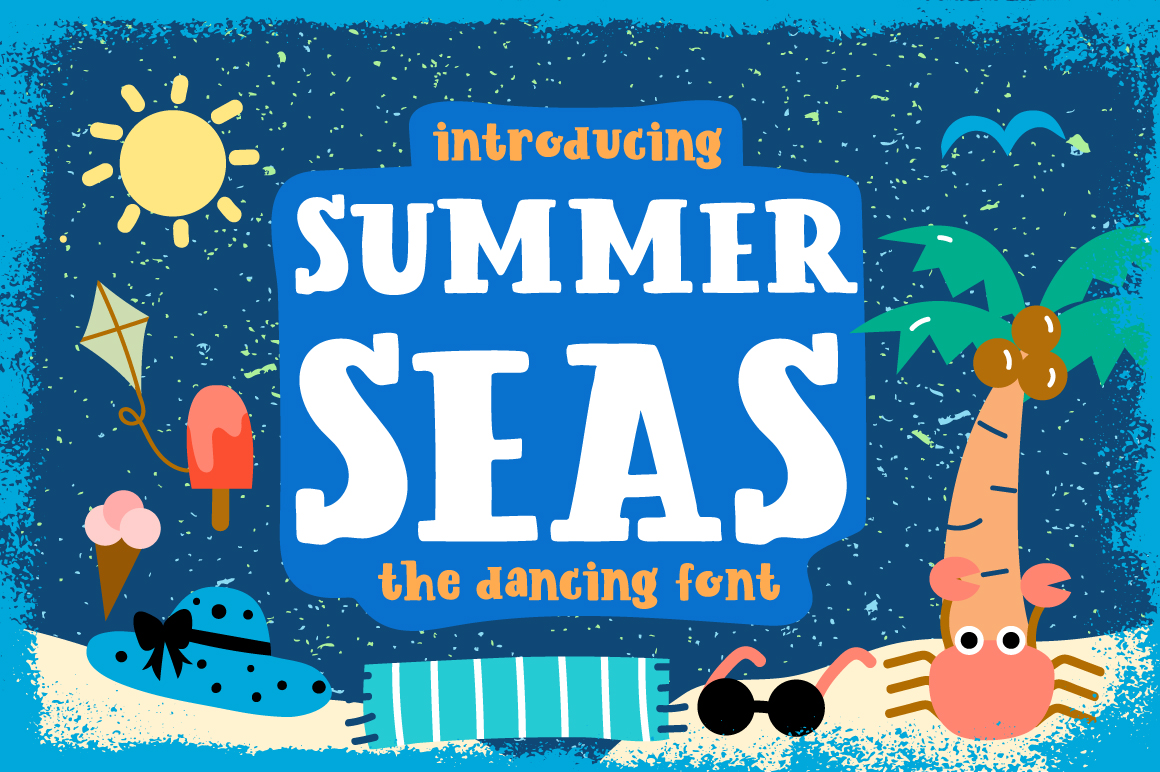
If you're looking for a font that captures the essence of summer while offering bold, stylish appeal, Summer Seas is an excellent choice. This friendly display font is designed to bring energy and charm to a wide range of projects, from vacation-themed designs to children's illustrations and more. Its clean lines and playful character make it a versatile option for both beginners and professionals seeking to elevate their visual storytelling.
Whether you're working on a marketing campaign, a personal blog, or a creative project, Summer Seas can add a unique touch that stands out. However, like any design element, it's important to understand how to use it effectively to avoid common pitfalls that could undermine your results.
Common Mistakes When Using Summer Seas
One of the most frequent mistakes when using Summer Seas is overusing it in text-heavy sections. While this font excels as a headline or title, it may not be the best choice for long paragraphs. The font’s stylized characters can become difficult to read when used in large blocks of text, leading to poor readability and a cluttered appearance.
Another common oversight is not considering the context in which the font will be used. For example, if you're designing for a professional website or a business presentation, the casual tone of Summer Seas might not align with the desired brand image. It’s important to evaluate whether the font’s personality matches the overall message and audience of your project.
How to Avoid These Mistakes
To ensure Summer Seas enhances rather than hinders your work, start by testing it in different scenarios. Use it as a headline or logo and pair it with a more traditional font for body text. This combination can create a balanced look that maintains visual interest without sacrificing clarity.
Additionally, consider the platform where your design will be displayed. If you’re using Summer Seas on a website, make sure it’s compatible with all major browsers and devices. Some fonts may not render consistently across platforms, which can affect the user experience and the professionalism of your work.
What to Check Before Using Summer Seas
Before finalizing your design, take the time to review the licensing terms associated with Summer Seas. Not all fonts are free for commercial use, and using a font without proper permissions can lead to legal issues. Always verify the license agreement to ensure you’re compliant with the terms of use.
Another key consideration is the file format. Some fonts come in multiple formats, such as .ttf, .otf, or .woff. Choose the format that best suits your project’s needs and the software you’re using. For web applications, for instance, a web-safe format like .woff may be more appropriate than a desktop-only format.
Realistic Examples of Better Choices
Instead of using Summer Seas for every element in a design, consider using it strategically. For example, if you're creating a travel brochure, apply the font to the main title and subheadings while using a sans-serif font for the body text. This approach maintains visual hierarchy and ensures the content remains easy to read.
In a children's book, Summer Seas can be a great choice for chapter titles or character names. Its friendly style adds a whimsical touch that appeals to young readers. However, avoid using it for lengthy passages of text, as it may cause eye strain and reduce engagement.
Why Summer Seas Stands Out
What sets Summer Seas apart from other fonts is its ability to blend style with functionality. Its bold strokes and rounded edges give it a warm, inviting feel that works well in casual and playful contexts. Unlike some fonts that prioritize aesthetics over readability, Summer Seas strikes a balance between visual appeal and legibility, making it a practical choice for a variety of projects.
Moreover, the font’s versatility allows it to adapt to different design styles. Whether you're going for a retro vibe, a modern aesthetic, or something entirely unique, Summer Seas can be customized to fit your vision. This flexibility makes it a valuable tool for designers who want to express creativity without compromising on quality.
Final Tips for Effective Use
To get the most out of Summer Seas, focus on purposeful application. Use it where it can make the biggest impact—such as headlines, logos, or promotional materials—and avoid overuse in less critical areas. This approach not only improves the overall design but also ensures your message is communicated clearly and effectively.
Lastly, always test your designs with real users. Ask for feedback to see how the font affects readability and visual appeal. This step can reveal insights that help you refine your choices and achieve better results.