Ordinary: A Versatile Display Font for Creative Projects
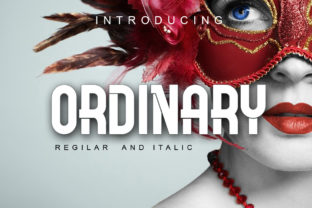
When it comes to design, the right font can make all the difference. Ordinary is a display font that offers a clean, modern aesthetic with a touch of sophistication. Its regular and italic versions provide flexibility for a wide range of applications, from posters and banners to magazine layouts and digital marketing materials. Whether you're a designer, marketer, or small business owner, Ordinary can be a valuable addition to your typographic toolkit.
What makes Ordinary stand out is its balance between simplicity and elegance. It doesn’t scream for attention but still commands it. This makes it ideal for projects where readability and visual appeal are equally important. However, like any font, there are common pitfalls to avoid when using Ordinary. Understanding these can help you get the most out of this versatile typeface.
Common Mistakes When Using Ordinary
One of the most frequent mistakes people make is using Ordinary in the wrong context. While it’s a great choice for headlines and titles, it may not be the best option for long blocks of text. Display fonts are typically designed for short, impactful statements rather than body copy. Using Ordinary for paragraphs can lead to readability issues, especially on smaller screens or in low-resolution formats.
Another common error is not considering the contrast between Ordinary and other fonts in a design. If you pair it with a heavy or overly decorative typeface, the overall look can become cluttered and unbalanced. For example, using Ordinary alongside a bold sans-serif might create visual chaos instead of harmony. Instead, try pairing it with a simpler, more neutral font to maintain clarity and focus.
Some users also overlook the importance of spacing and sizing when working with Ordinary. Since it has a relatively open structure, it may require more leading (line height) and tracking (letter spacing) to look its best. Neglecting these adjustments can result in a cramped or awkward appearance, which detracts from the overall professionalism of the design.
How to Avoid These Mistakes
To get the most out of Ordinary, start by understanding its strengths and limitations. Use it for headings, logos, and other short-form elements where its style can shine. Avoid using it for extended text unless you’ve carefully adjusted the spacing and size to ensure legibility.
When selecting a font pairing, consider the tone and purpose of your project. If you’re designing a high-end product brochure, Ordinary might work well with a serif font for a classic feel. For a modern tech startup website, pairing it with a clean sans-serif could offer a fresh and professional look. Always test different combinations to find what works best for your specific needs.
Pay close attention to typography settings. Increase the line height slightly when using Ordinary in larger text sizes, and adjust the letter spacing if needed. These small tweaks can significantly improve the readability and visual impact of your design.
Realistic Examples and Better Approaches
Imagine you’re creating a poster for a local art exhibit. Using Ordinary as the main headline would add a stylish touch without overwhelming the viewer. Pair it with a simple sans-serif for the event details and description, and you’ll have a clean, professional layout that draws attention to the key information.
On the other hand, if you were to use Ordinary for a blog post title and then continue with the same font for the body text, the result could be confusing and hard to read. In this case, switching to a more readable font for the body would be a better choice, while still using Ordinary for the heading to maintain visual interest.
Another scenario involves a logo design. Ordinary’s elegant curves and balanced proportions make it a strong candidate for a brand name. However, if the logo is too busy or includes too many elements, the font might get lost. Simplify the design and let Ordinary take center stage to create a memorable and cohesive brand identity.
What to Check Before Using Ordinary
Before finalizing your design, review how Ordinary looks in different sizes and formats. Test it on various devices and screen resolutions to ensure it remains clear and legible. Also, check the font’s licensing terms to make sure it’s suitable for your intended use, whether personal, commercial, or for a client.
If you’re unsure about how Ordinary will look in your project, consider using a font testing tool or mockup generator. These resources allow you to experiment with different styles and placements without committing to a final design. They can also help you spot potential issues before they become problems.
Lastly, don’t be afraid to seek feedback. Share your designs with colleagues, friends, or online communities to get a second opinion. Sometimes an outside perspective can highlight issues you didn’t notice and offer new ideas for improvement.
Conclusion: Make the Most of Ordinary
Ordinary is a powerful font that can elevate your design work when used correctly. By avoiding common mistakes and making thoughtful choices, you can harness its full potential. Remember to consider the context, pairing, and typography settings, and always test your designs thoroughly. With the right approach, Ordinary can become a go-to font for a wide range of creative projects.