Kachusha: A Bold and Versatile Font for Impactful Design
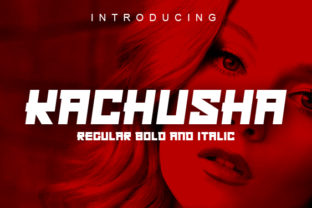
Kachusha is a distinctive typeface that blends the essence of Russian design with modern typography. Inspired by traditional letterforms, this font offers a unique aesthetic that stands out in a sea of generic typefaces. Its bold strokes and dynamic structure make it ideal for headlines, posters, branding, and other visual communications where impact matters. Whether you're designing a promotional flyer or crafting a compelling website header, Kachusha can elevate your work with its striking presence.
What sets Kachusha apart is its ability to balance strength and elegance. The font maintains readability while delivering a strong visual identity. This makes it particularly useful for projects that require both clarity and creativity. Its versatility allows it to adapt across different mediums, from print to digital, ensuring consistent performance in various contexts.
The Origins and Inspiration Behind Kachusha
Kachusha draws inspiration from Russian typography, a style known for its expressive forms and historical significance. Russian design often emphasizes boldness and rhythm, elements that are clearly reflected in Kachusha’s character. The font captures the energy of traditional Cyrillic lettering while translating it into a format that works seamlessly in Latin script.
This blend of cultural heritage and contemporary functionality makes Kachusha more than just a font—it’s a statement. For designers looking to infuse their work with a sense of history and authenticity, Kachusha provides a powerful tool. It bridges the gap between old-world craftsmanship and modern design needs, offering a fresh yet familiar approach to typography.
Key Characteristics and Design Features
Kachusha is available in multiple styles, allowing users to choose the right weight and form for their specific project. These variations include regular, bold, and display options, each tailored for different applications. The regular style offers a clean and professional look, while the bold variant adds emphasis and authority. The display version is perfect for eye-catching headlines and titles.
The font’s structure features sharp angles and contrasting strokes, which contribute to its high-impact appearance. These design choices make Kachusha especially effective for large-scale text where legibility and visual weight are important. At the same time, the font doesn’t sacrifice subtlety—its curves and spacing ensure that even smaller text remains readable and aesthetically pleasing.
One of Kachusha’s strengths is its consistency across different sizes and formats. Whether used in a 72-point headline or a 12-point caption, the font retains its integrity and visual appeal. This reliability is crucial for designers who need a typeface that performs well in diverse settings without requiring extensive adjustments.
Practical Applications and Real-World Use
Kachusha excels in scenarios where a strong visual identity is needed. It’s commonly used in advertising, editorial design, and branding materials. For example, a marketing campaign aiming to grab attention could benefit from Kachusha’s bold and energetic style. Similarly, a creative agency might use it for a client’s logo or promotional content to convey innovation and confidence.
In web design, Kachusha can be an excellent choice for headers and call-to-action buttons. Its clear contrast and strong shape help it stand out against background elements, making it easier for users to focus on key messages. When paired with complementary fonts, it can create a balanced and visually engaging layout.
Print projects also benefit from Kachusha’s robust design. Posters, brochures, and signage can leverage the font’s boldness to communicate information effectively. Its high contrast ensures that text remains legible even from a distance, which is essential for outdoor or public-facing materials.
Strengths and Limitations
Kachusha’s primary strength lies in its ability to command attention without compromising readability. Its design is optimized for clarity, making it suitable for a wide range of applications. Additionally, the availability of multiple styles gives users flexibility in how they incorporate the font into their work.
However, Kachusha may not be the best fit for every project. Its bold nature can be overwhelming in long blocks of text, where a more subdued typeface would be more appropriate. Designers should consider the context and audience when deciding whether to use Kachusha. For instance, a formal document or a minimalist website might require a more restrained font.
Another consideration is the font’s availability. While Kachusha is accessible through various type foundries and digital marketplaces, users should ensure that the license covers their intended use, especially for commercial projects. Proper licensing helps avoid legal issues and ensures that the font is used responsibly.
Who Benefits Most from Kachusha?
Kachusha is particularly beneficial for designers, marketers, and creatives who prioritize visual impact. Entrepreneurs launching a new brand or product can use Kachusha to create a memorable identity that resonates with their target audience. Its bold and expressive style aligns well with industries such as fashion, entertainment, and technology, where differentiation is key.
Freelancers and small business owners may find Kachusha useful for creating professional-looking materials without the need for expensive design services. Its ease of use and versatility make it a valuable asset for those working on tight budgets or time constraints. Educators and publishers can also benefit from Kachusha when designing course materials, presentations, or publications that require a strong visual presence.
Ultimately, Kachusha is best suited for projects that demand a strong typographic statement. It’s not a one-size-fits-all solution, but for the right application, it can deliver exceptional results.
Recommendations for Effective Use
To get the most out of Kachusha, start by identifying the specific goals of your design project. If the objective is to create a bold headline or a striking poster, Kachusha is an excellent choice. However, if the goal is to maintain a subtle and cohesive look, consider using Kachusha sparingly or pairing it with a more neutral font.
When using Kachusha in digital formats, test it at different sizes and resolutions to ensure that it remains legible and visually appealing. Adjust spacing and line height as needed to maintain balance and readability. In print, pay attention to how the font appears on different paper types and under varying lighting conditions.
Finally, experiment with Kachusha in different contexts to discover its full potential. Whether used alone or in combination with other typefaces, it can add a unique and powerful dimension to your design work.
Kachusha is more than just a font—it’s a design tool that brings energy, clarity, and personality to any project. By understanding its strengths and limitations, designers can harness its power to create compelling and impactful visual communication.