Jewel: A Classic Display Font for Vintage Designs
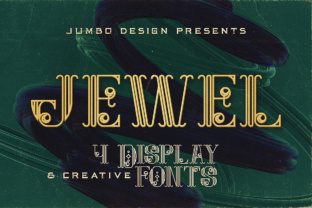
Jewel is a distinctive display font that brings a sense of old-school elegance to modern design projects. Known for its ornate and stylized appearance, this font is particularly well-suited for vintage-inspired work. Its unique characteristics make it a compelling choice for designers looking to evoke nostalgia or add a touch of sophistication to their visual compositions.
Understanding the Jewel Font
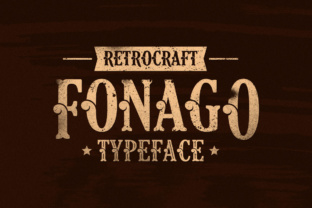
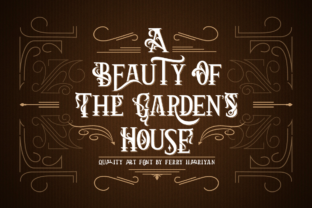
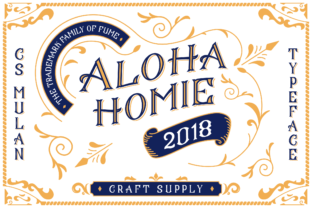
Jewel is a serif typeface that features elaborate detailing, including flourishes and decorative elements that give it a distinct personality. The font's design draws inspiration from traditional typography, making it ideal for projects that aim to convey a sense of history or timelessness. It is available in multiple styles, allowing users to choose the variant that best suits their specific needs.
The font's structure includes a mix of uppercase and lowercase letters, with some characters featuring intricate strokes and curves. These details contribute to its overall aesthetic, which can be both striking and challenging to read in large blocks of text. As such, Jewel is typically used for headings, logos, and other short-form applications rather than body text.
Why Consider Jewel?
Designers may find Jewel appealing for several reasons. First, its vintage style can help create a strong visual identity for brands or projects that want to stand out with a retro feel. This makes it a popular choice for music albums, fashion labels, and event invitations that aim to capture a bygone era.
Additionally, Jewel offers versatility through its various style options. Whether a designer prefers a more subdued version or one with bold embellishments, there is likely a variation that fits the desired tone. This flexibility allows for creative expression while maintaining a cohesive look across different design elements.
The font's unique character also makes it an excellent option for creating contrast in layouts. When paired with simpler fonts, Jewel can draw attention and add visual interest without overwhelming the overall composition.
Benefits and Tradeoffs
One of the primary benefits of using Jewel is its ability to add a sense of authenticity and charm to a design. Its historical references can resonate with audiences who appreciate craftsmanship and traditional aesthetics. This can be especially valuable in industries where branding relies heavily on emotional connections, such as hospitality, publishing, or artisanal products.
However, there are tradeoffs to consider. Jewel's complexity can make it less legible in certain contexts, particularly when used in small sizes or in long paragraphs. Designers should be mindful of how the font performs in different mediums and ensure that readability is not compromised.
Another consideration is the font's availability. While Jewel may be accessible through various type foundries, it may not be included in all font libraries or design software. Users should verify compatibility before incorporating it into their workflow.
Situations Where Jewel Excels
Jewel is particularly effective in scenarios where a vintage or retro theme is central to the design. For example, it can enhance the visual appeal of wedding invitations, restaurant menus, or promotional materials for events that aim to evoke a nostalgic atmosphere. Its ornate style complements imagery and color schemes that reflect past decades, creating a cohesive and immersive experience.
In branding, Jewel can help establish a unique identity that stands out from more conventional fonts. This is especially useful for businesses targeting niche markets or those seeking to differentiate themselves through artistic expression. The font's presence can signal a commitment to quality and attention to detail, which can be important in building consumer trust.
Additionally, Jewel is suitable for editorial projects that require a stylized approach. Magazines, books, and other publications that focus on art, culture, or history may benefit from its visual impact, as it can enhance the overall storytelling aspect of the content.
When Alternatives May Be Better
While Jewel has many strengths, there are situations where alternative fonts might be more appropriate. For instance, if a project requires high readability across multiple platforms, a simpler sans-serif or serif font may be a better choice. These fonts often provide clearer text and are more universally compatible with different devices and screen sizes.
Designers working on modern, minimalist projects may also find that Jewel's elaborate details clash with the intended aesthetic. In such cases, fonts with cleaner lines and fewer embellishments could align more closely with the overall design philosophy.
Furthermore, if a project involves multilingual content, it's important to check whether Jewel supports all necessary characters and scripts. Some display fonts may lack comprehensive language coverage, which could limit their usefulness in global contexts.
Decision-Making Insights
When deciding whether to use Jewel, designers should evaluate their specific goals and the context in which the font will be applied. Asking questions such as "What message do I want to convey?" and "How will the audience interact with this design?" can help determine if Jewel is the right fit.
It's also advisable to experiment with different variations of the font and test them in real-world scenarios. This can reveal how the font performs in various settings and whether it meets the desired visual and functional requirements.
Finally, considering the broader design ecosystem is essential. Ensuring that Jewel works harmoniously with other elements—such as colors, images, and layout structures—can prevent potential conflicts and enhance the overall effectiveness of the design.
In summary, Jewel is a powerful tool for designers seeking to infuse their work with a vintage flair. Its distinctive style and versatility make it a compelling choice for a range of applications, provided that its limitations are carefully considered. By making informed decisions, designers can leverage Jewel to create visually engaging and meaningful designs that resonate with their target audience.