Brain Wash: A Creative Font for Relaxed and Adorable Designs
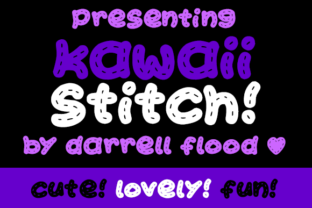
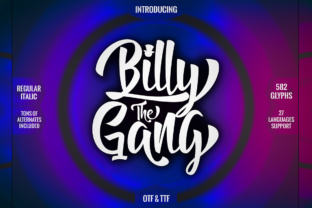
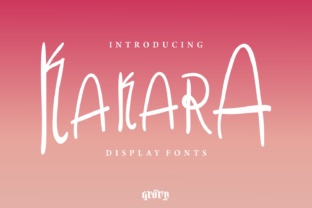
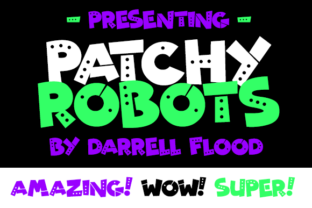
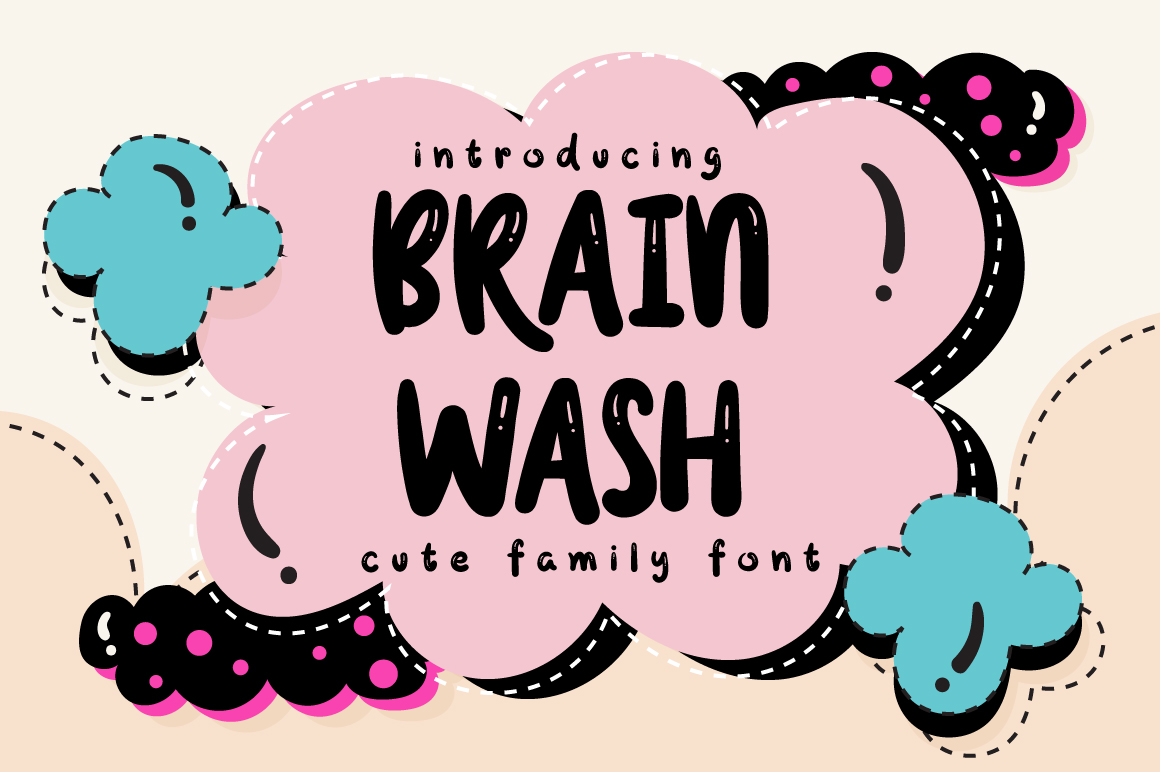
Brain Wash is a unique and charming font that brings a sense of playfulness and warmth to any design project. Its soft, rounded shapes and whimsical details make it ideal for creative work that aims to evoke a relaxed, girlish, or light-hearted mood. Whether you're designing a logo, crafting a social media post, or working on a personal project, Brain Wash can add a distinctive touch that stands out from more traditional typefaces.
What sets Brain Wash apart is its combination of simplicity and personality. Unlike many fonts that prioritize clarity and professionalism, Brain Wash embraces a more casual aesthetic. This makes it particularly well-suited for projects targeting younger audiences, creative brands, or any design that benefits from a friendly and approachable visual style.
Understanding the Distinctiveness of Brain Wash
Brain Wash belongs to the category of decorative or display fonts, which are typically used for emphasis rather than body text. However, its readability at smaller sizes makes it versatile enough for a range of applications. The font’s three available styles—regular, bold, and italic—offer flexibility in how it can be used across different design contexts.
The design of Brain Wash incorporates subtle imperfections that give it a handcrafted feel. These details, such as uneven baseline alignment and slightly irregular letterforms, contribute to its organic and natural appearance. While this may not be suitable for all types of projects, it can be a powerful tool for designers looking to convey a sense of creativity and authenticity.
Comparing Brain Wash with Similar Fonts
When considering Brain Wash, it's helpful to compare it with other fonts that share similar characteristics. For instance, fonts like Comic Sans or Quicksand also have a casual, friendly vibe, but they differ in terms of structure and application. Comic Sans, while widely recognized, is often criticized for being too informal for professional settings. Quicksand, on the other hand, offers a more modern and clean look, making it a better fit for digital interfaces and contemporary designs.
Fonts such as Great Vibes or Playfair Display bring elegance and sophistication, but they lack the playful edge that Brain Wash provides. These fonts are often used in luxury branding or editorial design, where a more refined aesthetic is desired. In contrast, Brain Wash is better suited for projects that aim to feel more personal and expressive.
Strengths and Best-Fit Situations for Brain Wash
One of the key strengths of Brain Wash is its ability to convey emotion through typography. Its soft curves and gentle lines can communicate a sense of comfort and joy, making it an excellent choice for branding in industries such as fashion, beauty, or children's products. It also works well for illustrations, greeting cards, or any design that benefits from a more whimsical tone.
Another advantage is its adaptability across different mediums. Whether used in print, digital formats, or even in motion graphics, Brain Wash maintains a consistent visual identity. Its three styles allow for greater customization, enabling designers to highlight certain elements or create visual hierarchy without switching to entirely different typefaces.
Tradeoffs and Limitations of Brain Wash
Despite its appeal, Brain Wash may not be the best choice for every project. Its informal nature could be seen as unprofessional in certain contexts, such as corporate communications or formal publications. Additionally, the font’s irregularities might affect legibility when used at very small sizes or in dense blocks of text.
Designers should also consider the availability of the font. While Brain Wash is accessible through various font marketplaces, it may not be included in standard software packages. This could require additional effort to license and integrate into existing workflows.
When Brain Wash Is the Right Choice
Brain Wash is most effective when the goal is to create a warm, inviting, or fun atmosphere. For example, a boutique clothing brand aiming to appeal to a youthful, trend-conscious audience might find that Brain Wash enhances their visual identity. Similarly, a creative agency working on a campaign for a children's event could use the font to reinforce a playful and imaginative theme.
It also works well for personal projects, such as blog headers, social media banners, or DIY crafts. In these cases, the font’s uniqueness can add character and make the design more memorable. However, it’s important to balance its use so that it doesn’t overshadow the content or message being conveyed.
Alternatives to Consider
If the playful aesthetic of Brain Wash doesn't align with your project's goals, there are several alternatives to explore. For a more polished yet still approachable look, Lato or Raleway offer clean, modern designs that are highly readable. For a bolder and more dynamic feel, Bebas Neue or Montserrat provide strong visual impact while maintaining clarity.
For those seeking something even more unique, custom typography can be a great option. While this requires more time and resources, it allows for a tailored solution that perfectly matches the project’s needs. However, for most designers, Brain Wash remains a practical and effective choice when the right tone is needed.
Decision Factors for Choosing Brain Wash
When deciding whether to use Brain Wash, consider the target audience, the overall tone of the project, and the medium in which the font will be displayed. If the goal is to create a sense of warmth, creativity, or playfulness, Brain Wash can be a valuable asset. However, if the design requires a more serious or formal tone, another font may be more appropriate.
Additionally, evaluate the technical aspects, such as font licensing, compatibility with design software, and how it performs in different sizes and formats. Testing the font in real-world scenarios can help determine whether it meets the project’s requirements and expectations.